Wildlife & Major Animals in Jim Corbett
Jim Corbett shelters an incredible variety of mammals, reptiles and aquatic life across its sal forests, grasslands and riverine belts. Below are the most notable species and estimated counts used for visitor information.
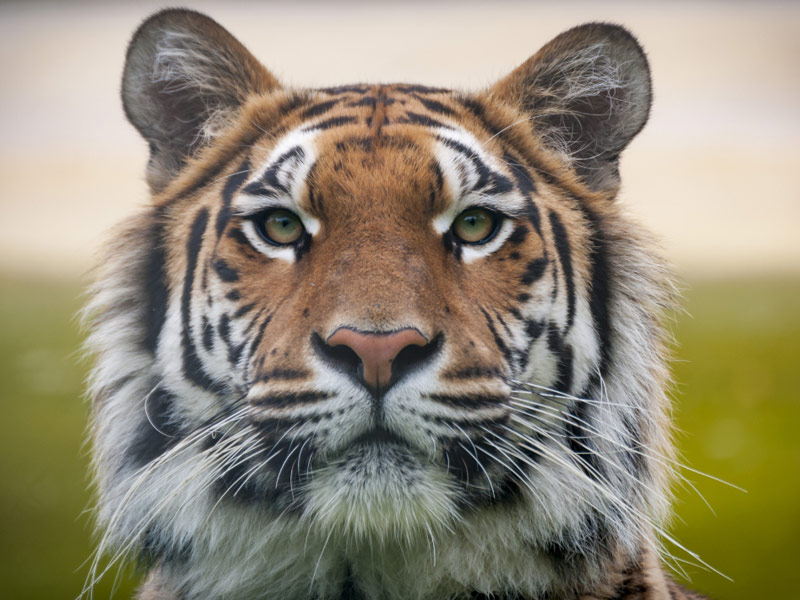
Royal Bengal Tiger
Estimated ~250 tigers across the Corbett landscape — Project Tiger's flagship reserve.
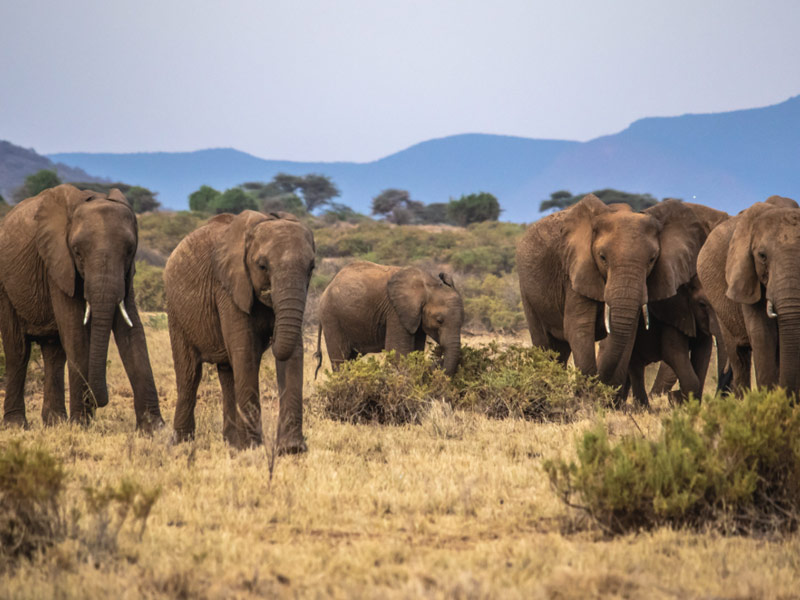
Asian Elephant
Large herds and migratory groups — ~1,000+ elephants are seen in and around Corbett and adjoining reserves.
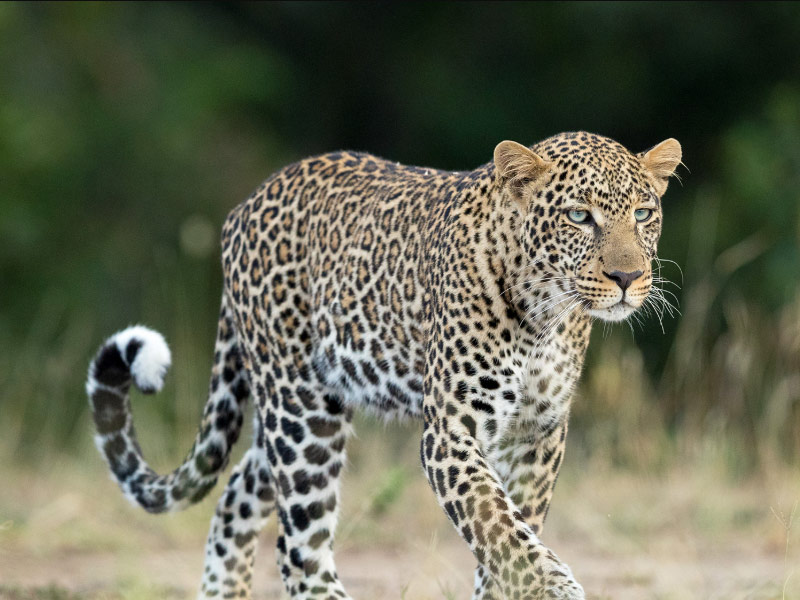
Leopard & Other Carnivores
Leopards, jackals and sloth bears inhabit the hills and forests — leopards estimated at 70–80 individuals.
Other Notable Fauna in Jim Corbett
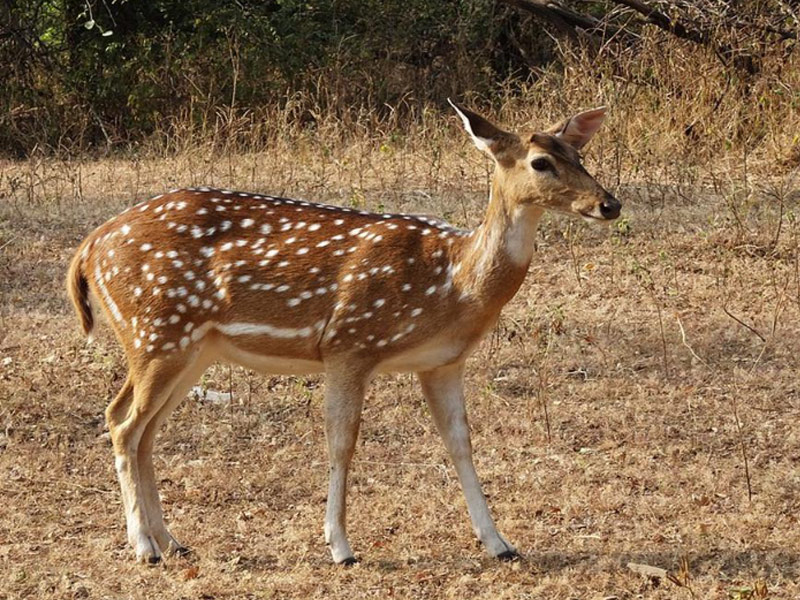
- Spotted Deer (Chital), Sambar Deer, Barking Deer — abundant across meadows.
- Sloth Bears, Wild Boar, Otters and Civets — occasional sightings.
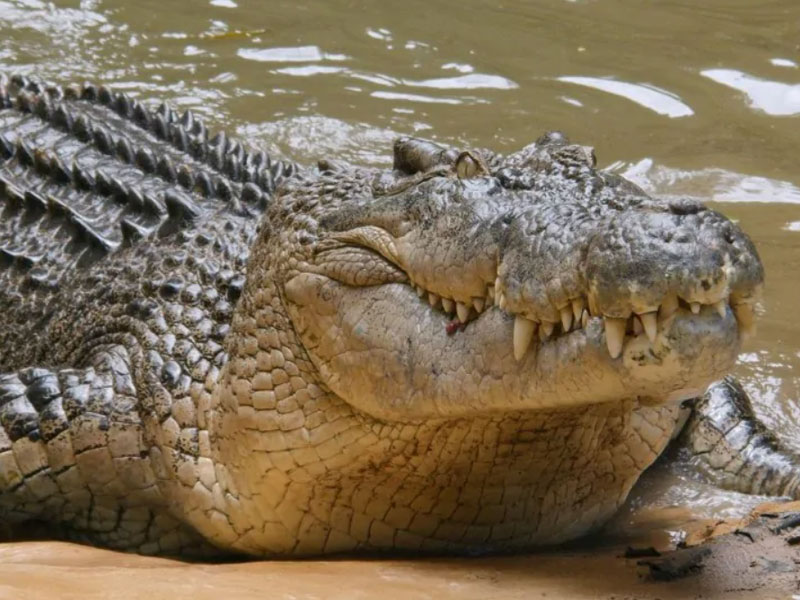
- River life: Mugger Crocodiles, Gharials and Mahseer fish - in Ramganga and reservoirs.
Jim Corbett Birds & Flycatchers List
With over 600 bird species, Corbett is a top destination for birdwatchers. Both resident and migratory birds (winter visitors from Siberia and beyond) enliven the park during peak seasons.
Flycatchers
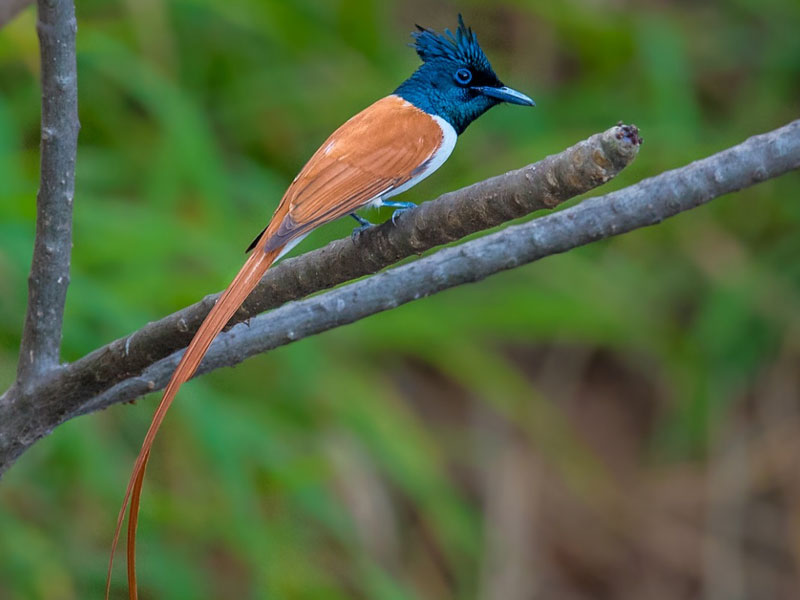
Several flycatcher species add vibrant colour and activity to Corbett’s forests: Verditer Flycatcher, Asian Paradise Flycatcher (with long tail streamers), Grey-headed Canary Flycatcher, Tickell's Blue and Ultramarine Flycatcher. These insectivores are often seen darting between branches and close to shaded streams.
Other Birds
- Great Hornbill — large and impressive in flight.
- Crested Serpent Eagle & Changeable Hawk-Eagle — common raptors.
- Bar-headed Geese, Ruddy Shelduck — winter visitors.
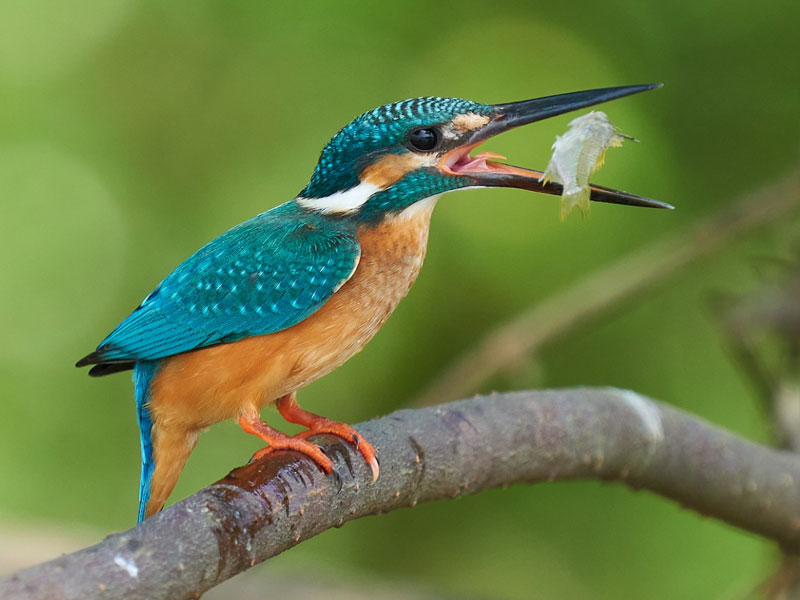
- Kingfishers, Drongos, Sunbirds and Woodpeckers — resident forest birds.
Jim Corbett Photo Gallery
Tips for Visitors
- Early morning and late afternoon safaris offer the best wildlife sightings.
- Carry binoculars and a telephoto lens for bird and wildlife photography.
- Respect park rules—do not feed animals or leave litter behind.
- Winter months bring many migratory birds; peak season for birdwatching is November to March.